
42
Learn More
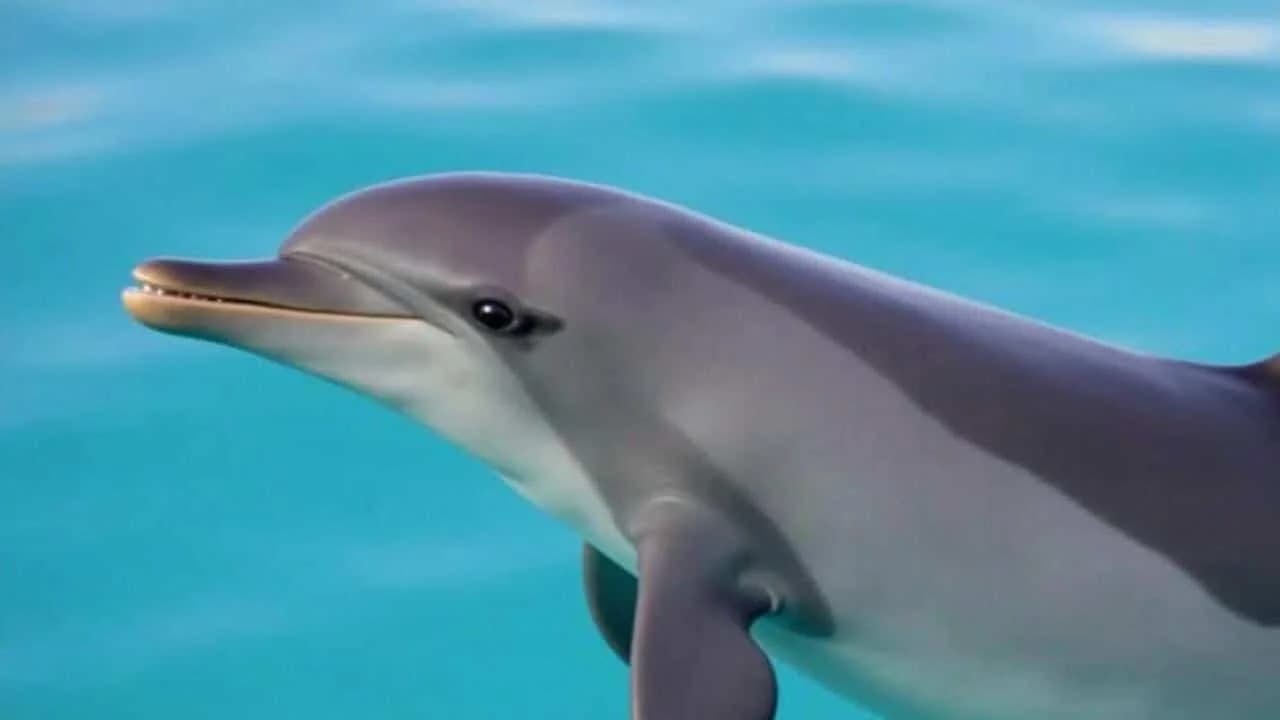
Within the complex social world of bottlenose dolphins, individuals are not anonymous. Each dolphin crafts a unique "signature whistle" within its first year of life, a distinct series of sounds that serves as its name. This whistle is a learned vocalization, often influenced by the mother's own signature whistle, yet ultimately modified to be a unique identifier. This ability to develop an individual acoustic label is a rare trait in the animal kingdom, highlighting the sophisticated cognitive and social abilities of these marine mammals. Dolphins use these whistles to broadcast their identity, maintain group cohesion, and to recognize one another over long distances in the open ocean.
The scientific understanding of these signature whistles has been built over decades of research. Early observations noted that individual dolphins consistently produced a specific, stereotyped whistle, particularly when isolated. This led to the hypothesis that these were identification signals. This was later confirmed through playback experiments where researchers would play a recorded signature whistle to a group of dolphins. The results were telling: dolphins would consistently and selectively respond to their own signature whistle, much like a person turning their head when their name is called.
Furthermore, the social memory associated with these whistles is exceptionally long-lasting. Studies have demonstrated that dolphins can remember and recognize the signature whistles of former tank mates even after being separated for over 20 years. This enduring memory underscores the importance of individual relationships and social history in dolphin societies. When dolphins copy another's signature whistle, it is believed to be a way of addressing that specific individual, akin to calling them by name. This remarkable vocal labeling system is a compelling example of convergent evolution, showing parallels with human communication in how individuals are named and recognized.