
42
Learn More
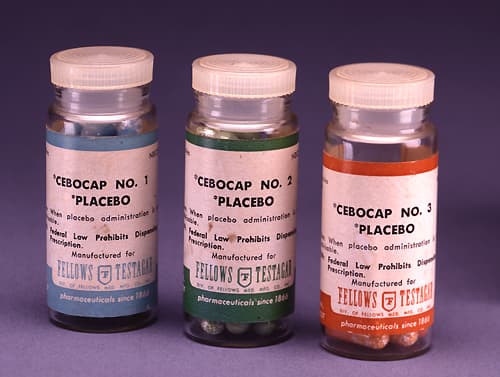
The concept of a placebo, a treatment with no active medicinal properties, has a long and fascinating history. The term itself is Latin for "I shall be pleasing" and was used in the 18th century to describe a medicine intended more to satisfy a patient than to cure them. The first recognized demonstration of the placebo effect occurred in 1799 when a physician showed that dummy wooden tractors were just as effective as expensive metal ones at treating rheumatism, suggesting the power of imagination in healing. This power of belief has been a cornerstone of medical understanding for centuries, but modern research has revealed a surprising twist: the healing power of placebos can persist even when individuals know they are not taking real medicine.
This phenomenon, known as the open-label placebo effect, challenges the idea that deception is necessary for a placebo to work. Studies have shown that the simple ritual of engaging in a medical treatment can trigger real physiological responses. Researchers believe this is due to a combination of factors, including classical conditioning, where we've been trained to associate the act of taking medicine with feeling better. The supportive relationship with a healthcare provider and the positive expectations instilled by the clinical environment also play a significant role.
The effectiveness of open-label placebos is not merely a psychological trick; it can lead to measurable changes in the body. For instance, studies on pain have shown that placebos can trigger the release of the body's natural painkillers, called endorphins. While they can't shrink a tumor or unclog an artery, open-label placebos have been found to be effective for symptoms that are self-observed, such as pain, nausea, and fatigue. This research suggests that the context and rituals surrounding medical care are powerful components of the healing process in their own right.
Related Facts
83
81
75
74
70
69