
4
Learn More
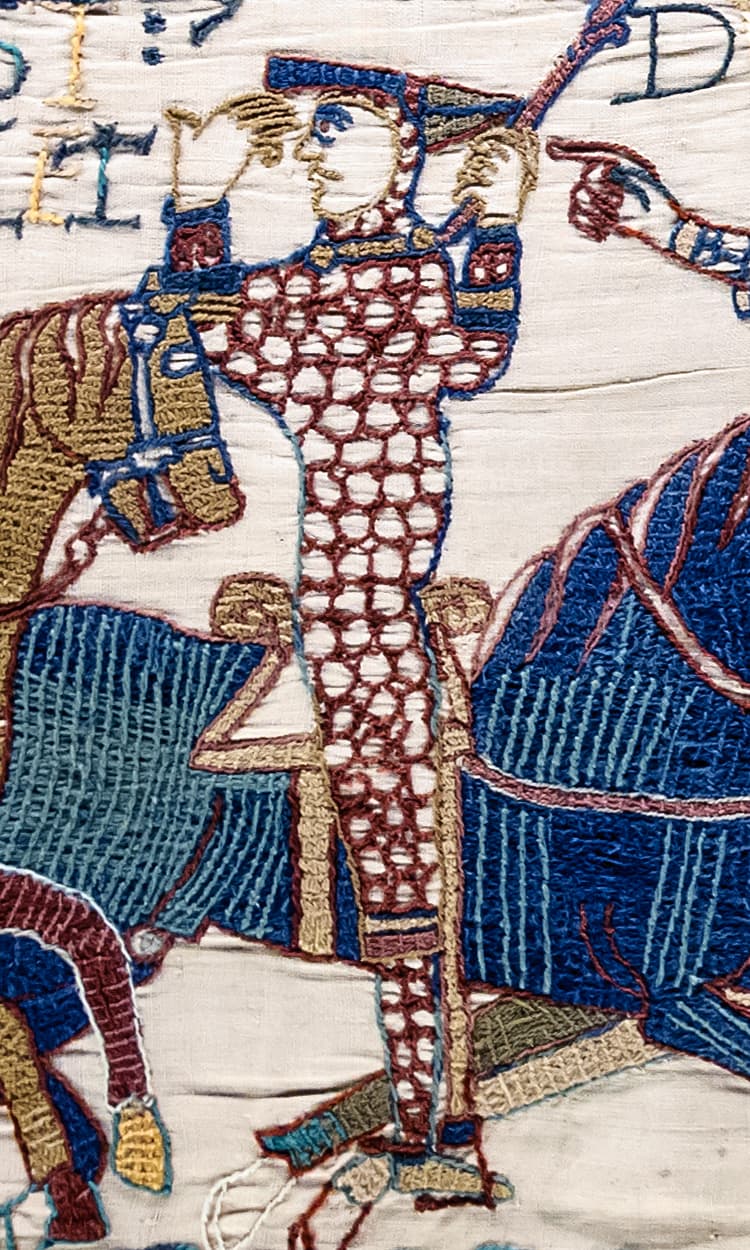
This sequence of rulers spans over 500 years of English history, beginning with the Norman Conquest. William the Conqueror, the first Norman king of England, seized the throne in 1066 after his victory at the Battle of Hastings. His reign marked a significant turning point, ushering in a new era of Norman influence and feudalism in England. He ruled until his death in 1087.
More than a century later, Richard the Lion-hearted, a descendant of William, took the throne in 1189. Famed for his military prowess and leadership in the Third Crusade, Richard spent very little of his decade-long reign in England, with some accounts suggesting as little as six months. His focus was primarily on his continental territories and his crusading efforts. He died in 1199 during a siege in France.
The Tudor dynasty followed, with Henry VIII ascending to the throne in 1509. His reign was marked by significant political and religious upheaval, most notably the English Reformation. Henry's desperate desire for a male heir led him to break with the Roman Catholic Church, establish the Church of England, and marry six times. His actions fundamentally reshaped the religious and political landscape of the nation.
Finally, Henry VIII's daughter, Elizabeth I, became queen in 1558. Her long and influential reign, often called the Elizabethan Era or England's "golden age," brought relative stability after the religious turmoil of her predecessors. A shrewd and determined monarch, she never married and ruled for 45 years, overseeing a period of flourishing arts, exploration, and the defeat of the Spanish Armada. Her death in 1603 marked the end of the Tudor line.
More History Trivia Questions
70
What wall divided Berlin from 1961 to 1989?
53Which ancient wonder was located in Alexandria, Egypt?
31Which empire was ruled by Genghis Khan?
20What is the second largest city in Japan?
20Around 1680, when King Charles II repaid a debt owed to his father, this 35-year-old man received a huge parcel of land on the western bank of the Delaware River which eventually became a state bearing his name. What was his name?
20In June, 1994, the French, British and Americans celebrated the 50th anniversary of what event?