
15
Learn More
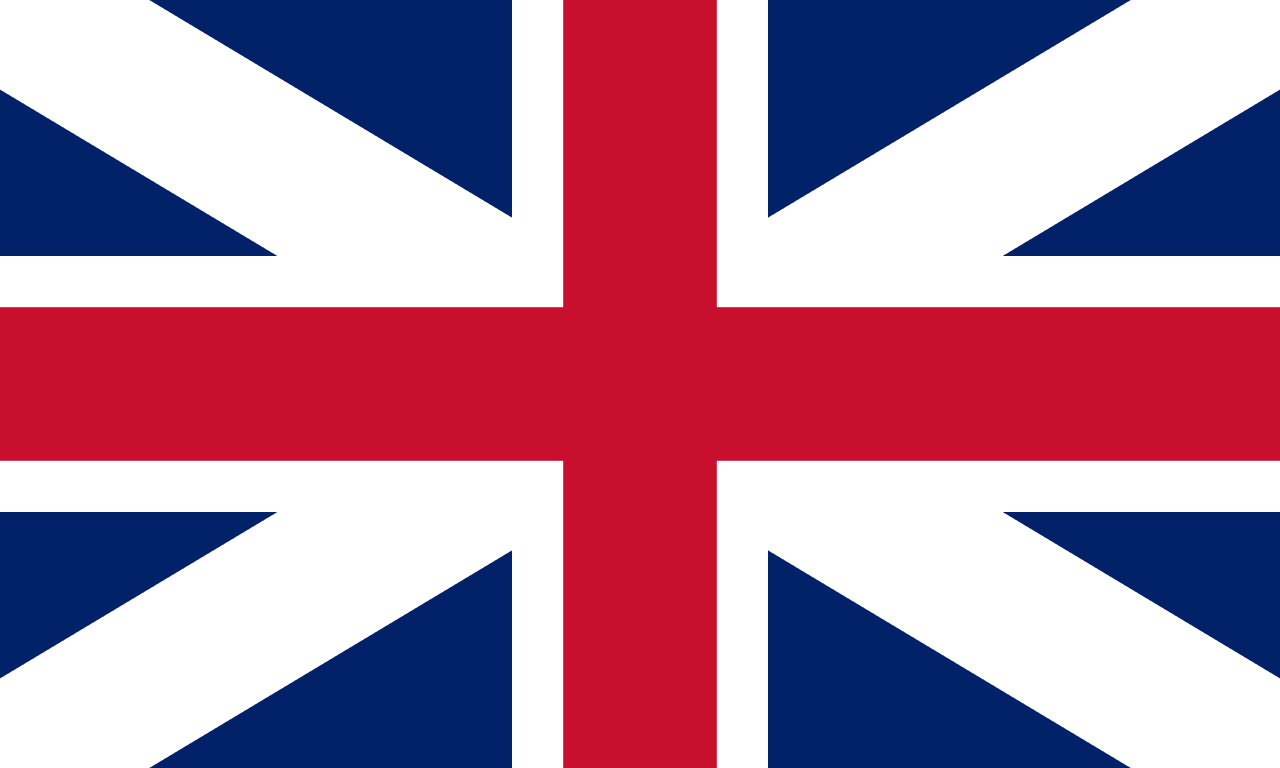
At its zenith, the British Empire was the most extensive in history, famously described as "the empire on which the sun never sets" because its vast global reach ensured that daylight was always present in at least one of its territories. Around the turn of the 20th century, it governed a significant portion of the globe. By 1913, its population was approximately 412 million people, which accounted for about 23% of the world's population at the time. Following World War I, by 1920, the empire's land mass had swelled to its greatest extent, covering about 35.5 million square kilometers (13.7 million square miles), or roughly 24% of the Earth's total land area.
This colossal empire was a product of centuries of exploration, trade, and conquest that began in the late 16th and early 17th centuries. Its dominance was secured by the powerful Royal Navy, which controlled the world's oceans, and a robust global trade network. London became the financial center of the world, and at one point, the empire controlled about a quarter of all global trade. The empire's territories were incredibly diverse, ranging from vast dominions like Canada, Australia, and South Africa to crown colonies across Africa and Asia. The most populous and economically vital of these possessions was British India, often called the "jewel in the crown," which included the modern-day countries of India, Pakistan, and Bangladesh. The legacy of this empire is widespread, influencing legal, linguistic, and cultural aspects of many nations today.
More History Trivia Questions
71
In what year did the Titanic sink?
70What wall divided Berlin from 1961 to 1989?
53Which ancient wonder was located in Alexandria, Egypt?
31Which empire was ruled by Genghis Khan?
20During World War I, the allies, Britain, France, the USA primarily fought against Germany and which two major forces?
20What is the second largest city in Japan?