
9
Learn More
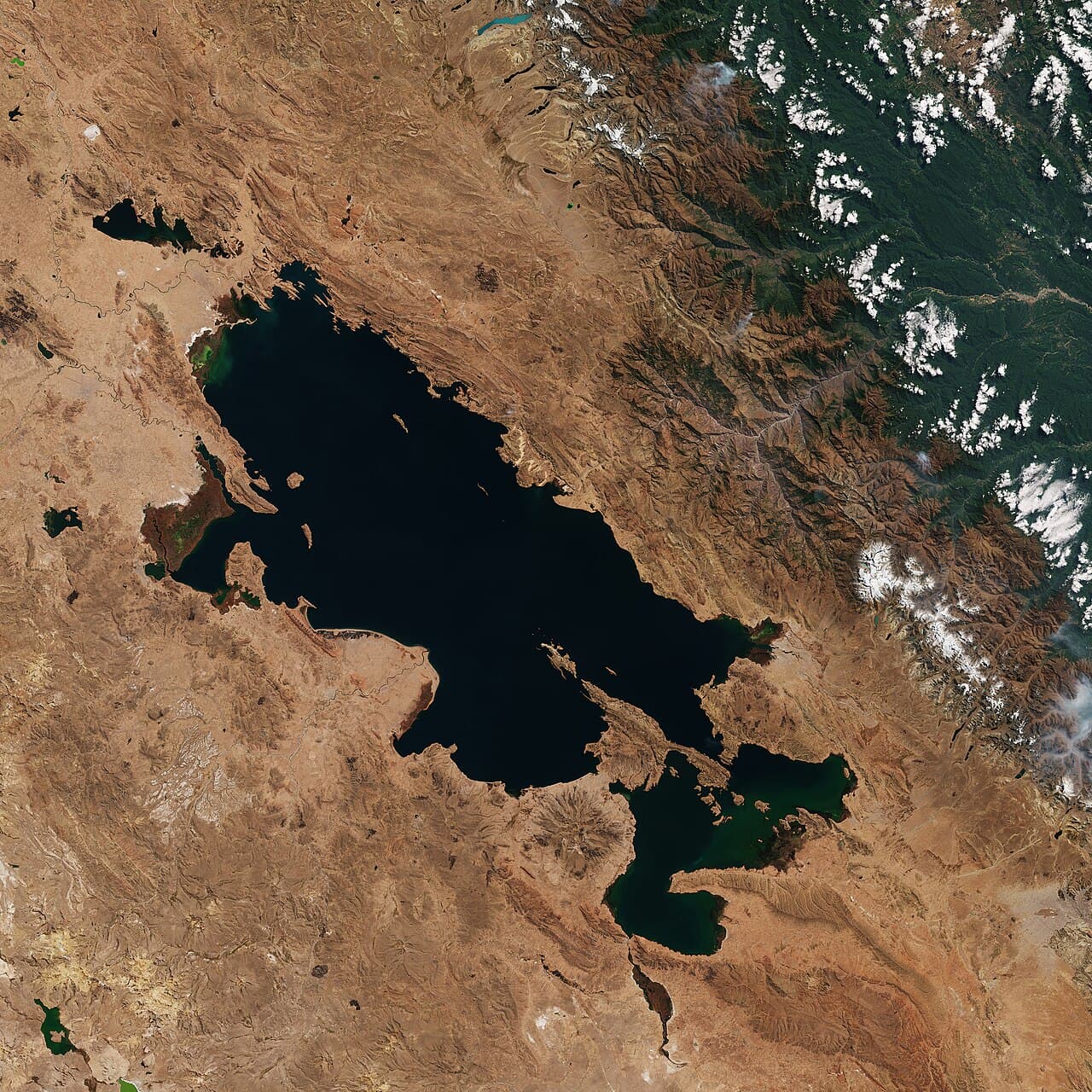
Nestled high in the Andes Mountains at an elevation of over 12,500 feet (3,810 meters), Lake Titicaca holds the distinction of being the world's highest lake navigable to large vessels. This massive body of water straddles the border between two South American nations, with its eastern side located in Bolivia and the western part in Peru. Its vast, deep blue waters, fed by rivers and rainfall, make it the largest lake on the continent. The term "navigable" is key, as while other smaller lakes exist at higher altitudes, Titicaca is recognized for its ability to support large commercial and tourist boats.
Beyond its geographical superlatives, the lake is a place of immense cultural and historical importance. According to Incan mythology, the first Inca king, Manco Cápac, emerged from the waters of Lake Titicaca, marking it as the birthplace of the Inca civilization. This sacred legacy is still palpable today among the indigenous communities that inhabit its shores and islands. The region is home to ancient ruins, including a temple discovered at the bottom of the lake, believed to belong to the pre-Incan Tiwanaku people.
The lake also offers a unique glimpse into a remarkable way of life. The Uros people, for instance, live on floating islands that they construct entirely from the native totora reeds. These man-made islands, along with their homes and boats, are a testament to an incredible adaptation to the high-altitude environment. This blend of stunning natural beauty, ancient history, and living culture makes a journey to this high Andean lake a truly unique experience.
More Geography Trivia Questions
31
What is the largest ocean on Earth?
28What river runs through Cairo, Egypt?
21I'll give you the old name for a place, you give the new name. a. Rhodesia? b. Cathay? c. Abyssinia?
21What country lies directly north of Vietnam?
20Which tiny country is sandwiched between Switzerland and Austria?
20What is the modern name of the city formerly known as Leningrad?