
10
Learn More
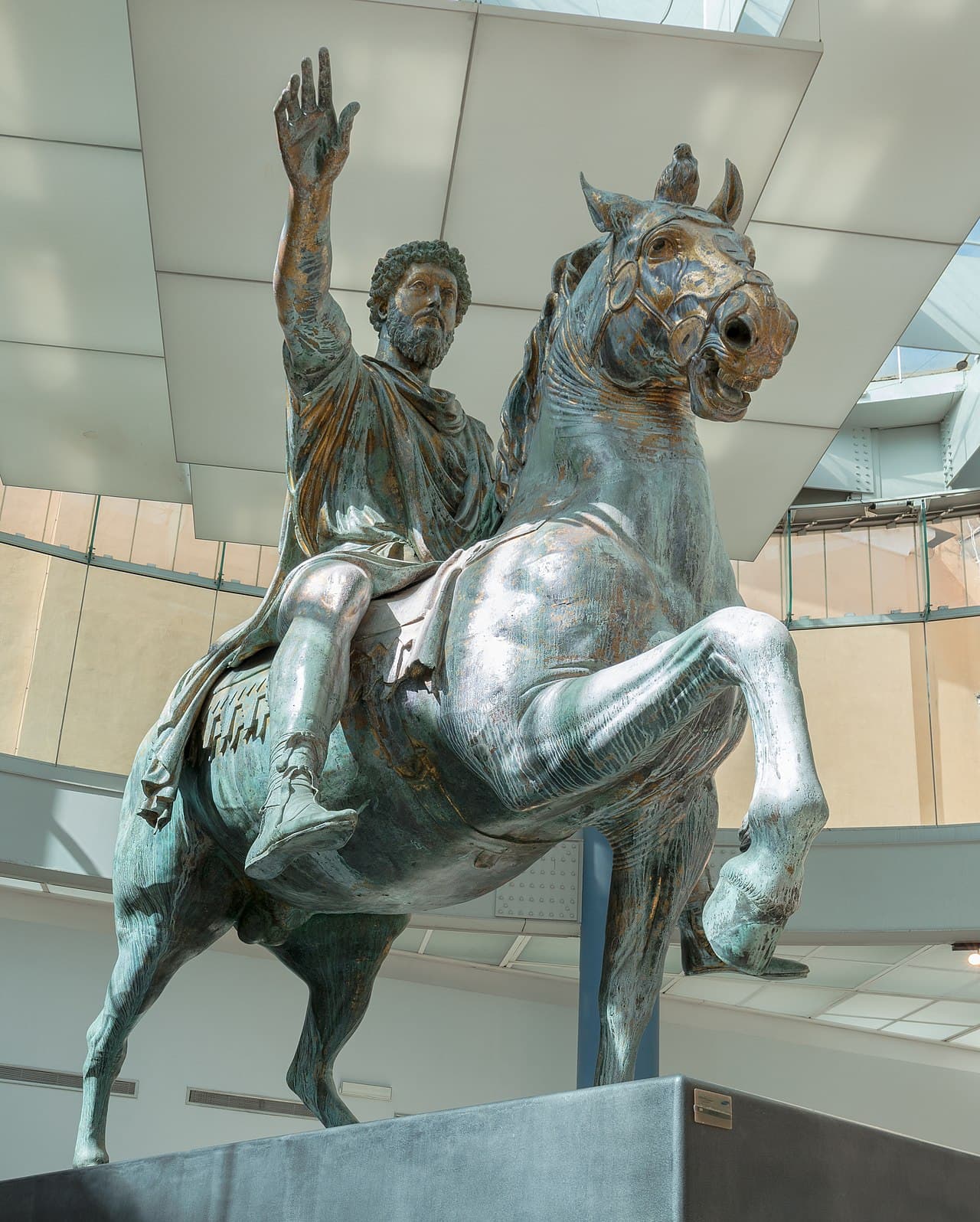
A common belief in the world of monuments holds that the stance of a horse in an equestrian statue reveals the fate of its rider. According to this popular legend, if the horse is depicted with both of its front hooves in the air, it signifies that the rider met their end in the heat of battle. This dramatic rearing pose is meant to capture the intensity of combat and memorialize a hero who made the ultimate sacrifice on the battlefield.
This "hoof code" extends further, suggesting that a single raised foreleg indicates the rider was wounded in battle but did not die from it, while a horse with all four feet on the ground implies the rider survived their military conflicts and died of other causes. This system provides a quick, visual shorthand for understanding a figure's military history at a glance.
However, it is important to note that this fascinating "code" is more of an urban myth than a hard and fast rule for sculptors. While it holds true for many statues, particularly those at the Gettysburg battlefield, there are numerous examples around the world that contradict it. For instance, the statue of Andrew Jackson in Washington D.C. features a rearing horse, yet he did not die in battle. Ultimately, the pose of the horse is often an artistic choice, meant to convey a sense of action and drama, rather than a strict biographical detail.
More Other Trivia Questions
20
Venetian blinds were invented in which country?
20According to Irish legend, a man called Jack could not enter heaven because he was a miser, and could not enter hell because he had scorned the devil. As a result, he had to walk the earth for eternity with his light. This legend is the origin for what ph
20Which US state has the highest per capita income, almost $20,000 per person, as well as America's highest median household income, around $41,000?
20What is the name of the five-dice game where players try to create different combinations similar to poker hands?
20When we see statues of military heroes of horseback, the position of the horse's feet often signify something. What is signified if the horse's two front feet are rearing up in the air?
20Cemetery officials in this major city have decided that his burial site has become too much trouble to keep up. So as soon as the 30-year lease on his grave expires in July, 2001, his body will be moved. Which city, which person?