
82
Learn More
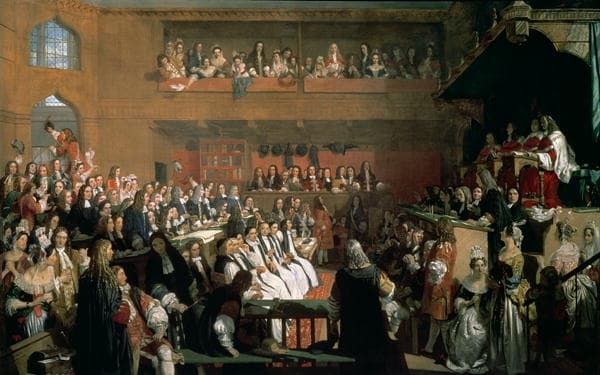
The power of a jury to acquit a defendant, despite believing they are guilty, has deep roots in legal history and serves as a powerful, if controversial, check on the justice system. This practice, known as jury nullification, is not an officially sanctioned right but rather an inherent consequence of how the system is designed; jurors cannot be punished for their verdicts, and a "not guilty" verdict cannot be overturned. Historically, this power has been wielded to significant effect. In colonial America, juries used nullification to protest British laws by acquitting defendants, a notable example being the 1735 trial of John Peter Zenger for seditious libel, which became a landmark case for freedom of the press.
Throughout American history, jury nullification has surfaced during periods of intense social and moral debate. In the 19th century, some Northern juries refused to convict individuals accused of violating the Fugitive Slave Act, expressing their opposition to slavery. Similarly, during the Prohibition era, many juries acquitted those accused of breaking alcohol control laws, reflecting widespread public sentiment against the policy and contributing to its eventual repeal. These instances highlight the role of jury nullification as a mechanism for citizens to reject what they perceive as unjust or overreaching laws.
Despite its historical significance, the topic of jury nullification is contentious in the modern legal landscape. Courts and judges generally do not inform jurors of their power to nullify, and in some instances, actively discourage it, emphasizing the jury's duty to apply the law as instructed. Arguments against the practice cite the potential for inconsistency and bias in verdicts, suggesting it could undermine the rule of law. Conversely, proponents argue that it is a vital safeguard against government tyranny and allows for the community's conscience to play a role in the application of justice. The debate continues, leaving jurors to learn of this power through means outside the courtroom.
Related Weird Facts
84
83
82
80
79
73