
82
Learn More
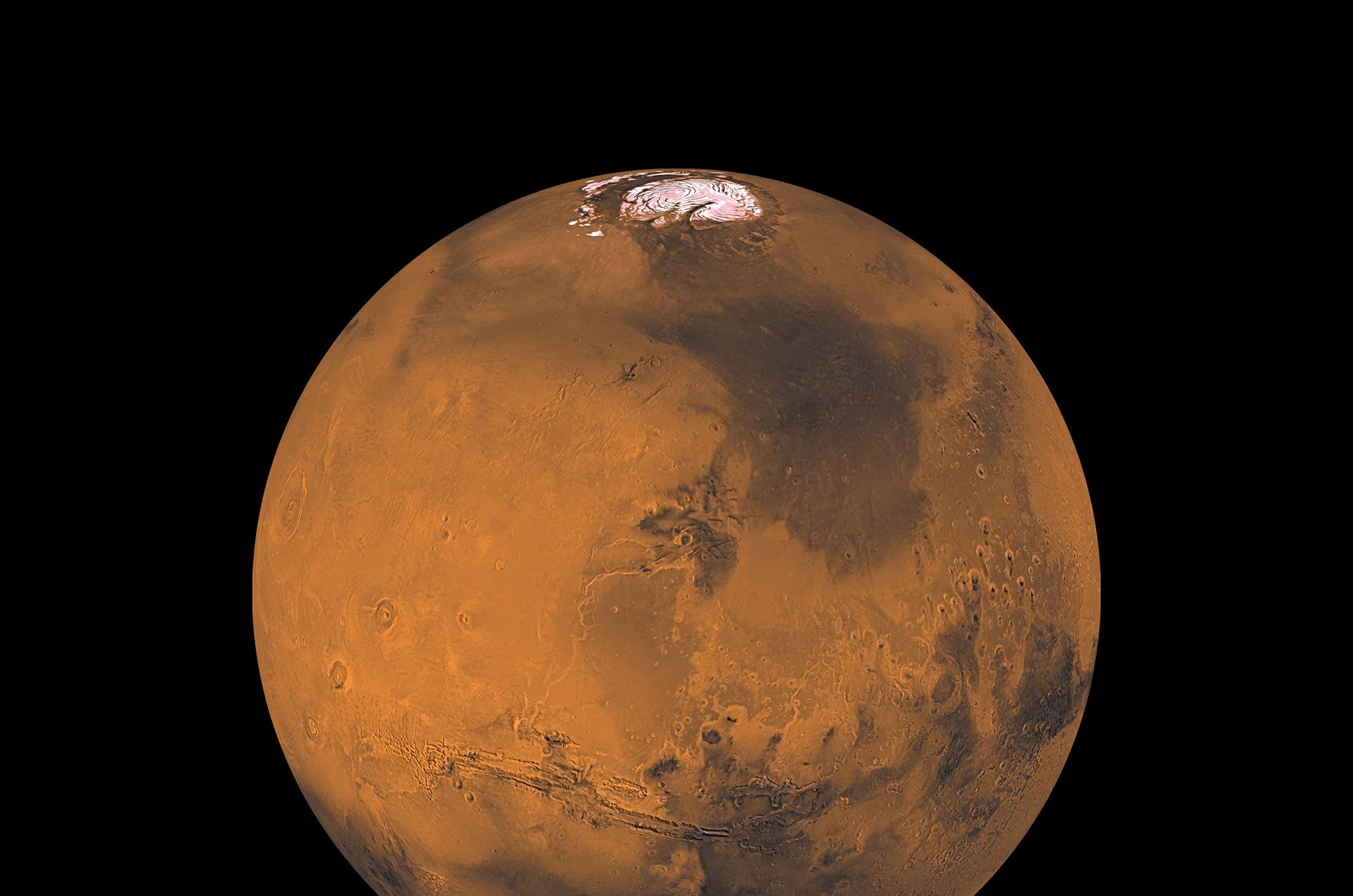
While we have charted the entire surface of Mars and the Moon with a high degree of accuracy, the vast majority of Earth's own oceans remain a mystery. This is because mapping the seafloor is a profoundly challenging endeavor. The immense pressure in the deep ocean, which can be over 1,000 times that at the surface, along with freezing temperatures and complete darkness, creates an environment far more difficult to explore than space. Unlike planetary mapping, which can use satellites and radar to chart vast areas quickly, these technologies are ineffective in water as light and radio waves are absorbed.
Historically, our understanding of the ocean floor was painstakingly slow to develop. Early methods involved dropping a weighted line to measure depth, a technique used for centuries. A significant leap forward came with the development of sonar (Sound Navigation and Ranging) during World War I, initially for detecting submarines. Sonar works by sending out sound pulses and measuring the time it takes for the echo to return, allowing for the calculation of depth. The first full map of an ocean basin, revealing the Mid-Atlantic Ridge, was created using this technology, providing key evidence for the theory of plate tectonics.
Today, scientists use advanced multibeam sonar systems on ships, as well as sophisticated autonomous underwater vehicles (AUVs) and remotely operated vehicles (ROVs), to create detailed, high-resolution maps. These modern tools are slowly peeling back the curtain on the deep, discovering new underwater mountains, canyons, and even new species. However, the process is time-consuming and expensive, requiring vessels to move slowly and systematically to gather data, which is why so much of our planet's underwater landscape remains unmapped and unseen by human eyes.