
83
Learn More
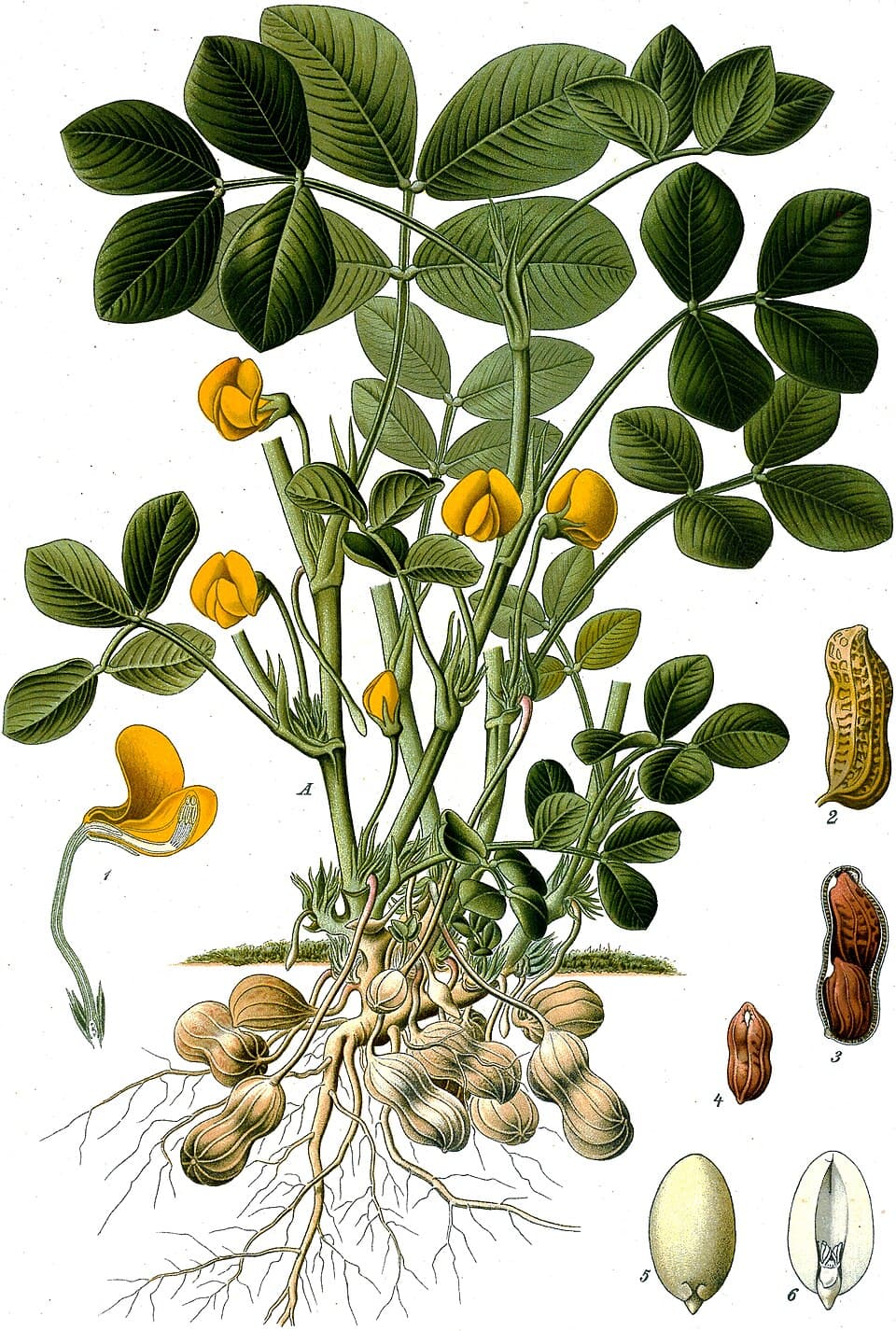
The peanut's identity crisis is rooted in its botanical classification. It belongs to the Fabaceae family, making it a relative of beans, lentils, and peas. The defining characteristic of a legume is that it is a seed from a pod that can be split in half. Unlike true nuts such as acorns and hazelnuts, which have a hard outer shell containing a single fruit and seed, peanuts grow in a pod with multiple kernels. A key distinction lies in their growth habit; while true nuts grow on trees, the peanut plant flowers above ground but its fruit, the peanut pod, develops and matures underground. This unusual underground fruiting process is known as geocarpy.
The history of the peanut is as rich as its flavor. Archaeological evidence suggests that peanuts were first domesticated and cultivated in South America thousands of years ago. Pottery in the shape of peanuts and jars decorated with them have been discovered in the region, dating back as far as 3,500 years. European explorers encountered peanuts in Brazil and played a role in their global distribution. Peanuts were brought to North America by enslaved Africans, who used them as a food source during their forced voyages. Initially in the U.S., peanuts were primarily used as animal feed and were not widely consumed by people until the late 19th and early 20th centuries, when their popularity surged thanks to circus vendors and the promotion of peanut products.
Despite their botanical classification as legumes, peanuts share a similar nutritional profile with tree nuts like almonds and walnuts. They are a good source of protein, healthy fats, fiber, and various vitamins and minerals. This nutritional similarity is a primary reason why they are commonly grouped with tree nuts in culinary and dietary contexts. For instance, both peanuts and tree nuts are recognized for their heart-health benefits. This dual identity, a legume in the garden and a nut in the kitchen, makes the peanut a fascinating and versatile food.