
72
Learn More
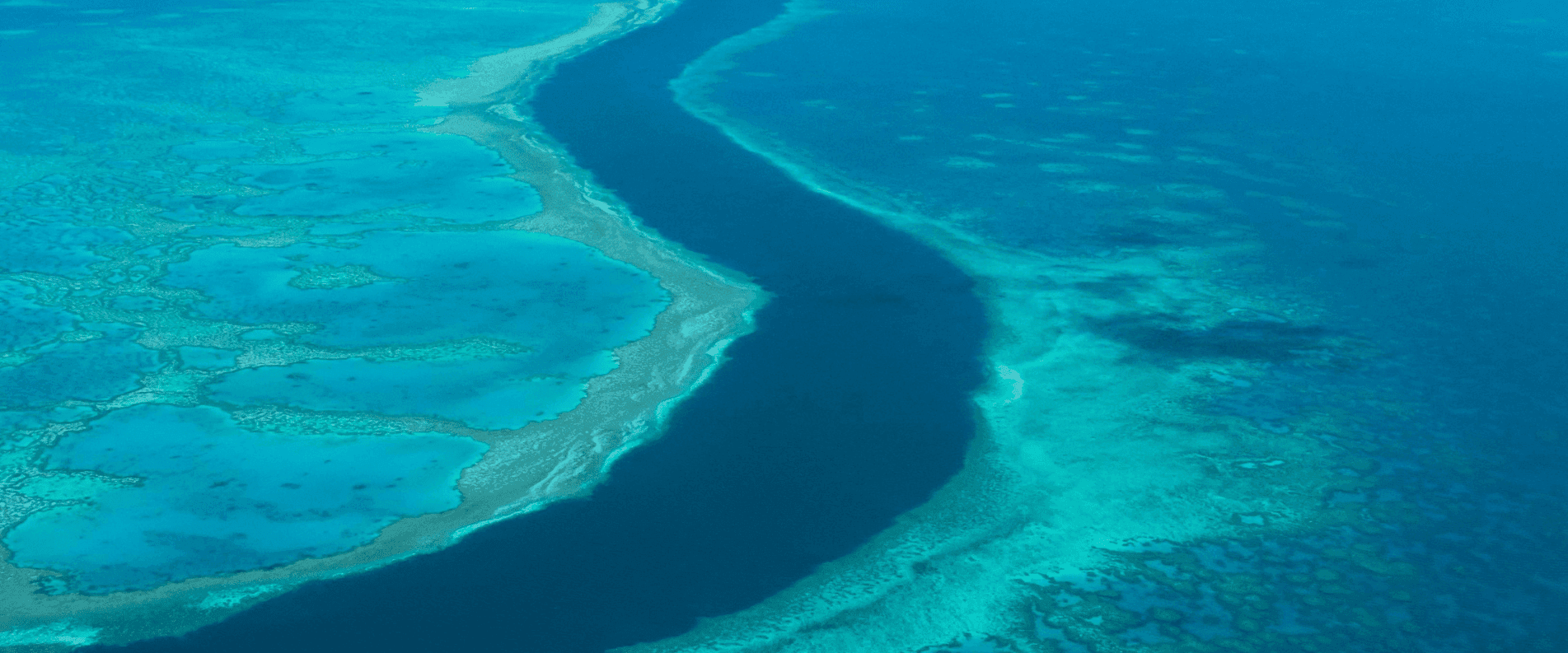
The sheer scale of the Great Barrier Reef is so immense that it can be distinguished from space, a feat made possible by the sharp contrast between the vibrant, light blue of the shallow lagoons and the deep dark blue of the surrounding ocean. This natural wonder is not a single, continuous structure but a complex and interconnected system of approximately 3,000 individual reefs and 900 islands that stretch for over 2,300 kilometers. This massive area, roughly the size of Italy, is the largest living structure on the planet.
This colossal ecosystem owes its existence to billions of tiny animals known as coral polyps. These organisms build hard skeletons of calcium carbonate, and over millennia, the accumulation of these skeletons has created the intricate reef structures we see today. While evidence suggests reef systems have existed in this region for as long as 600,000 years, the modern Great Barrier Reef began to take its current form between 6,000 and 9,000 years ago. This formation occurred as sea levels rose after the last ice age, allowing corals to colonize the newly submerged continental shelf.
The result of this long history is one of the most biodiverse places on Earth. The reef provides a habitat for thousands of species, including over 1,500 types of fish, 400 species of coral, and thousands of varieties of mollusks. It is a critical environment for numerous threatened species, such as the dugong and the large green turtle, highlighting its global significance for conservation.