
79
Learn More
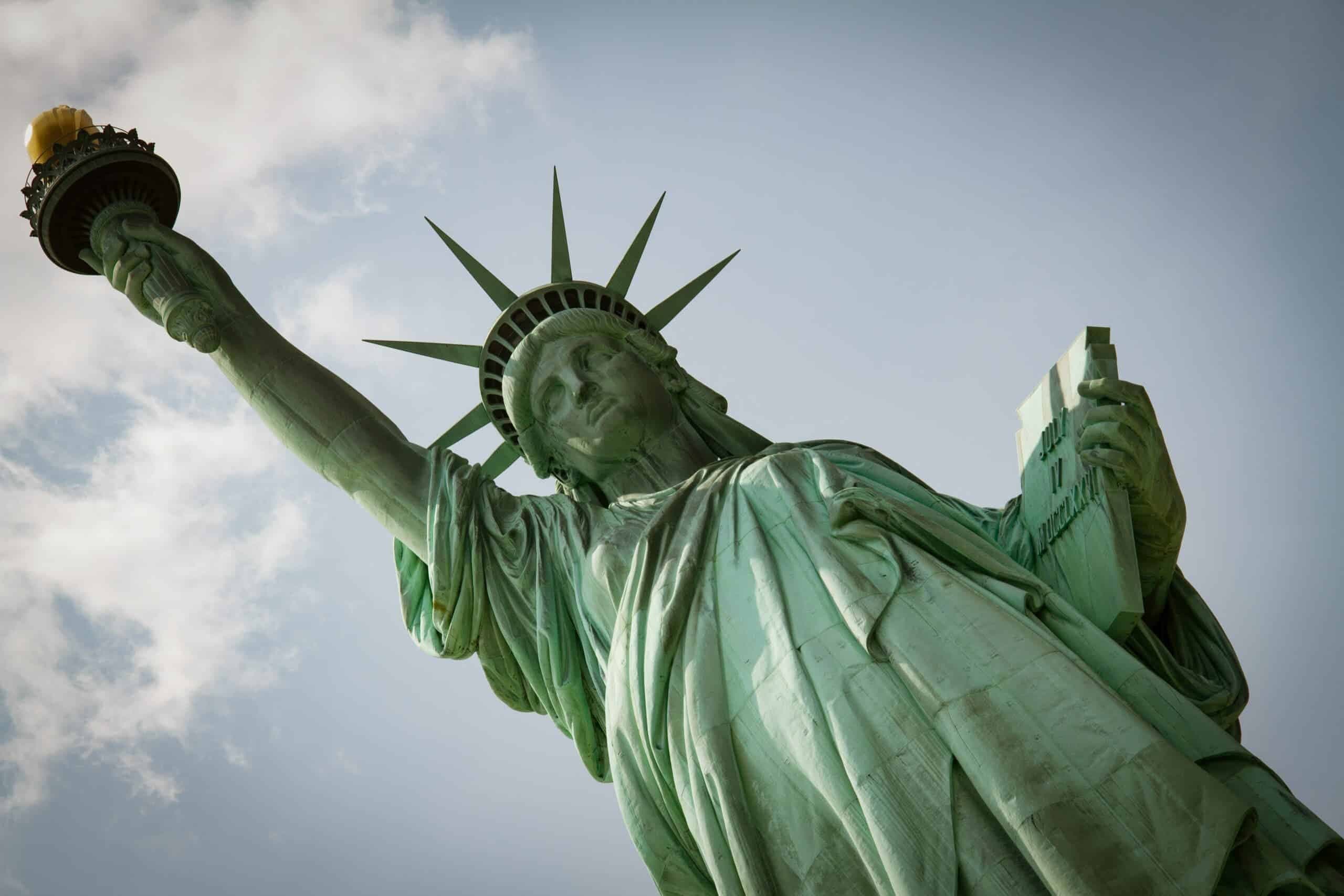
When the Statue of Liberty was gifted to the United States, its exterior was a radiant reddish-brown, the natural color of its copper plates. This appearance was short-lived, as the statue immediately began a slow transformation due to the surrounding environment. The copper skin started to react with the oxygen in the air, a process known as oxidation. This initial stage of oxidation changed the statue's color from its original gleam to a duller brown, and then to a darker, almost black, appearance.
The transformation to the iconic green we see today was a complex chemical process that took about two to three decades to complete. Air pollution in New York City at the time played a significant role, with sulfur dioxide from burning coal reacting with the copper. This, combined with rain and the salty spray from the harbor, led to a series of chemical reactions. These reactions formed a thin layer of various copper compounds, which created the blue-green and olive-green patina. This patina, fully formed by around 1906, is not a sign of decay.
Interestingly, this green coating acts as a protective shield for the copper underneath, preventing further corrosion and preserving the statue. In the early 20th century, there were actually proposals to paint the statue, as some officials were concerned about the color change. However, public outcry and expert advice highlighted the protective qualities of the patina, and the idea was abandoned. Over time, the public came to appreciate the statue's green hue, which has now become an inseparable part of its identity.
Related Weird Facts
84
82
81
81
75
72