
7
Learn More
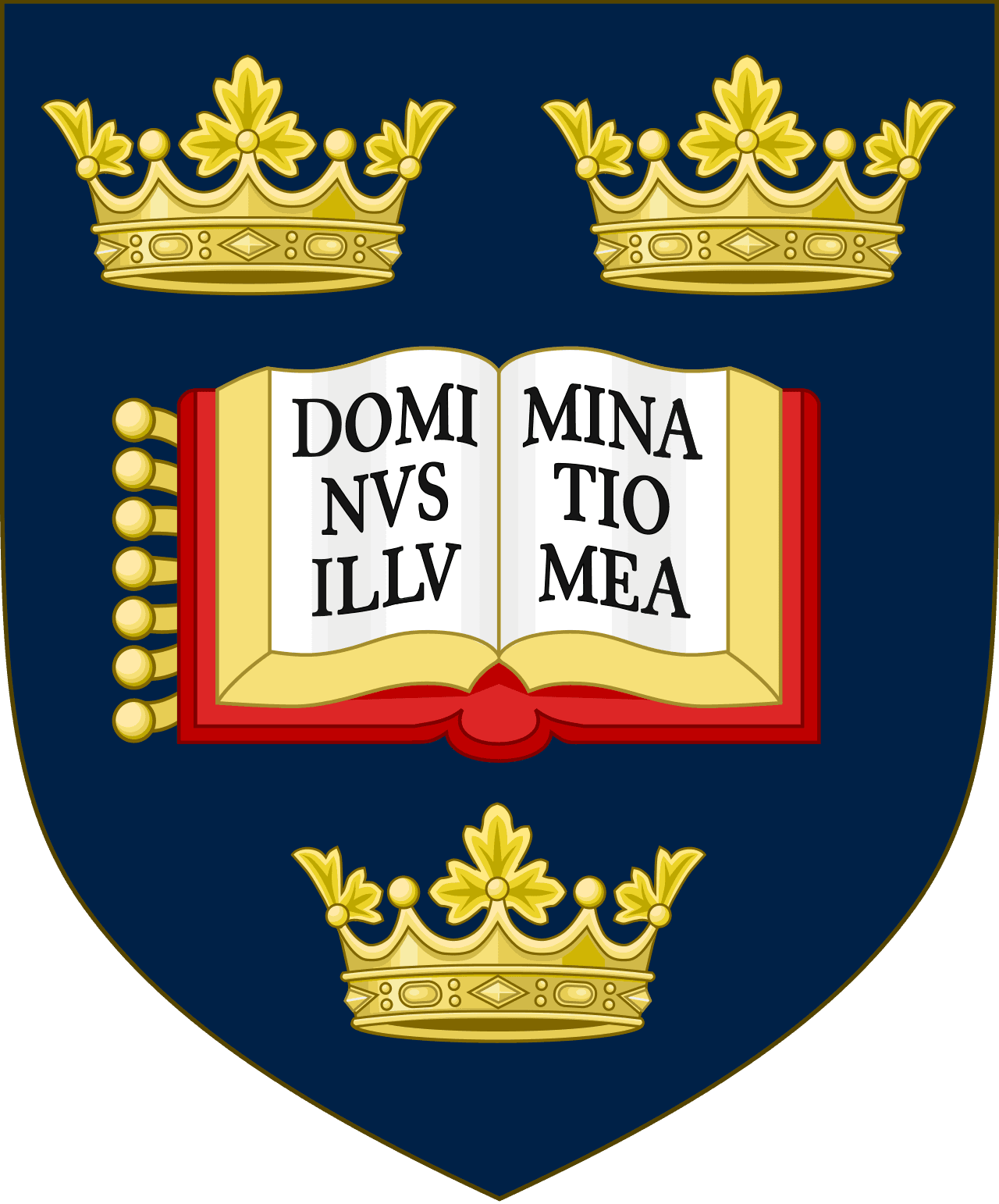
The longevity of certain institutions can be surprising when compared with the timelines of entire civilizations. While scholars and students were gathering in England, the seeds of a great Mesoamerican empire had yet to be sown. Evidence of teaching at Oxford dates as far back as 1096, and the university began to grow rapidly after 1167 when King Henry II prohibited English students from attending the University of Paris. This led to the establishment of the first colleges, such as University College in 1249, formalizing a center of learning that was already well over a century old.
Across the Atlantic, the people known as the Mexica were undertaking a long migration. According to their legends, they were searching for a divine sign: an eagle perched on a cactus. This search concluded in 1325 with the founding of their capital city, Tenochtitlan, on an island in Lake Texcoco. This settlement would eventually become the heart of the powerful Aztec Empire, which was formally established through an alliance in 1428.
By the time Tenochtitlan was founded, Oxford had been a recognized hub of education for more than 200 years, with an established structure and international students. While early Oxford scholars debated theology and philosophy, the Mexica were engineering a remarkable city on a lake, a testament to the different, yet parallel, developments of human ingenuity occurring in separate corners of the world.
Related Facts
84
84
84
83
81
79