
71
Learn More
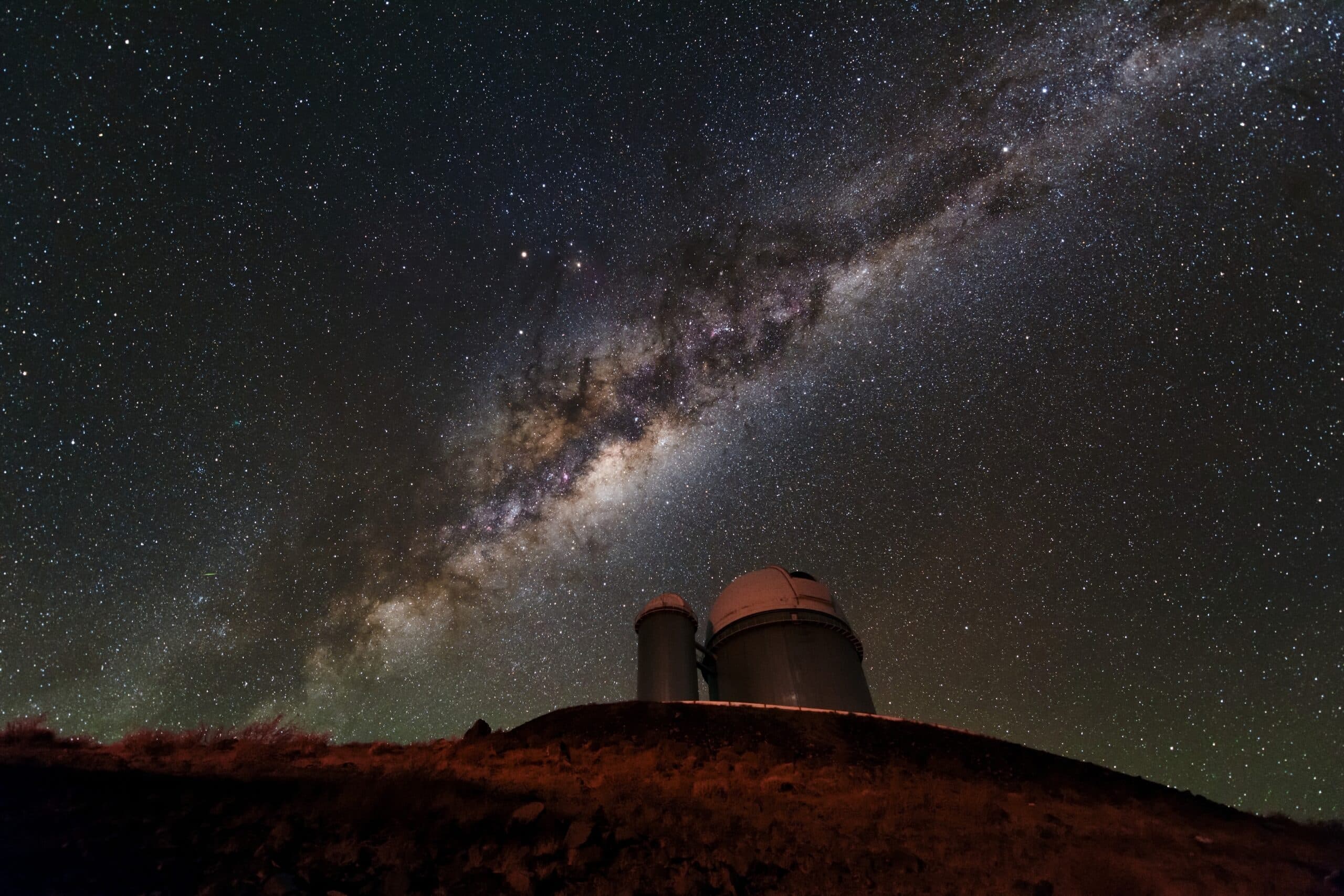
The human mind struggles to grasp the sheer scale of the cosmos, but a fascinating comparison can offer a glimpse into its vastness. The assertion that there are more stars in the sky than grains of sand on our planet is not just a poetic statement; it's a conclusion drawn from careful scientific estimation. To arrive at these colossal figures, astronomers and geologists employ methods of sampling and extrapolation, turning a seemingly impossible count into a matter of cosmic and terrestrial arithmetic. This process reveals as much about the universe's grandeur as it does about the ingenuity of scientific inquiry.
To estimate the number of stars, astronomers begin by observing small, representative sections of the sky with powerful telescopes like the Hubble Space Telescope. By meticulously counting the galaxies within these deep-field images, they can then extrapolate that number to the entire observable universe. Early attempts to map our own galaxy were made by astronomers like William Herschel in the 18th century, who counted stars in different regions to understand the Milky Way's structure. Modern estimates suggest there are about 2 trillion galaxies in the observable universe. Scientists then multiply this galactic count by the estimated average number of stars per galaxy, which for a galaxy like our Milky Way is thought to be around 100 to 400 billion.
Similarly, geologists estimate the number of sand grains by calculating the total volume of sand on Earth and dividing it by the average volume of a single grain. This involves surveying the length, width, and depth of the world's beaches and deserts to determine their total volume. While this method is fraught with variables like the differing sizes of sand grains and the uneven distribution of sand, it provides a reasonable order-of-magnitude estimate.
Ultimately, both calculations are exercises in approximation, subject to uncertainties. The number of faint, distant galaxies is difficult to determine precisely, and the full extent of sand deposits, including those underwater, remains a challenge to measure accurately. However, even with these limitations, the conclusion holds firm. The estimated number of stars, a figure in the sextillions, soars far beyond the estimated quintillions of sand grains on Earth, offering a profound perspective on our place in the universe.
Related Weird Facts
84
83
83
81
81
80