
75
Learn More
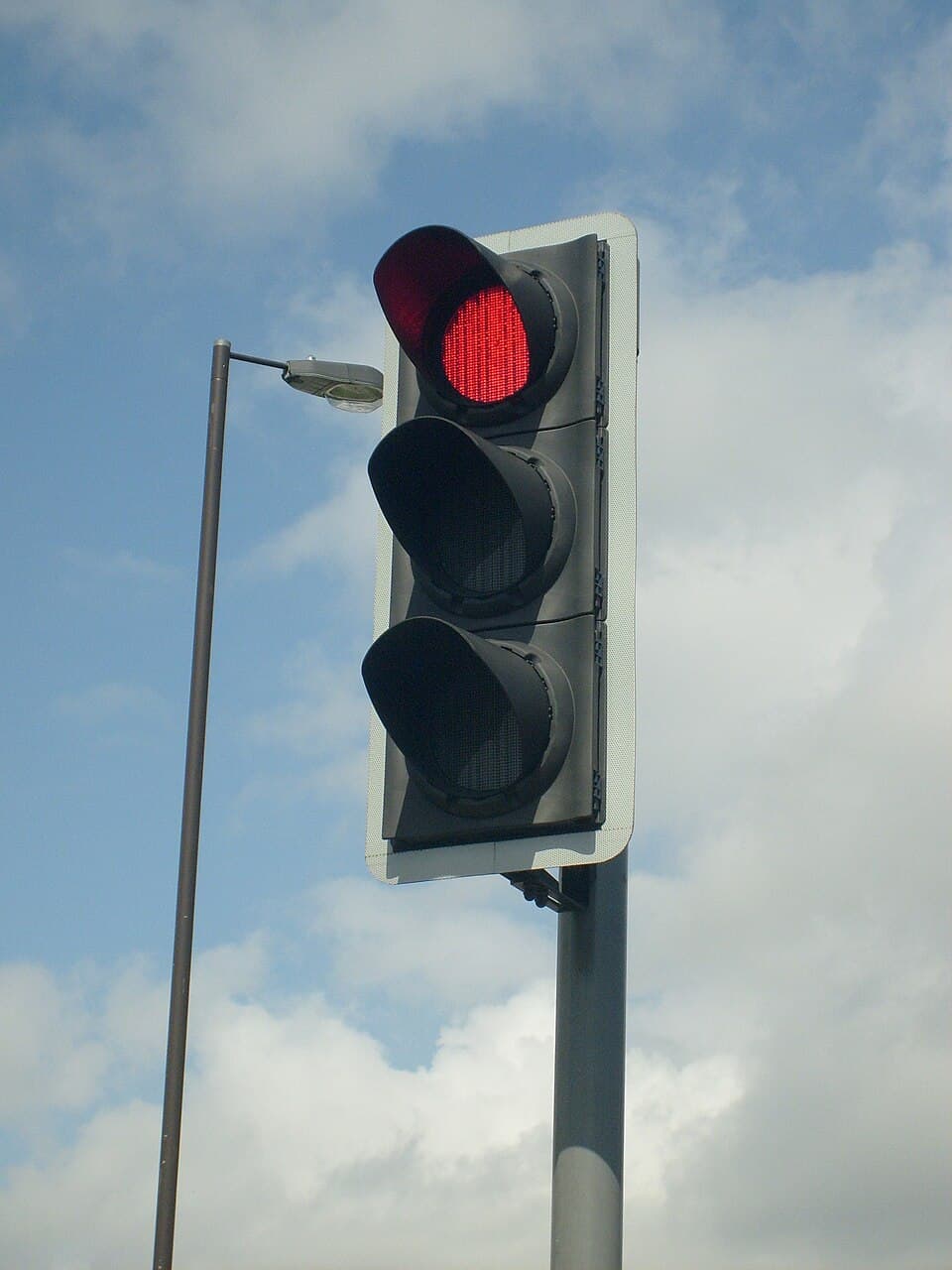
The cumulative time spent idling at intersections is a modern consequence of a surprisingly old innovation. The first traffic signals were installed in London in 1868, even before the advent of the automobile, to control horse-drawn carriage traffic. These early gas-lit signals were manually operated by police officers and had a short, explosive history. It wasn't until the early 20th century in the United States that electric traffic lights began to appear, with the familiar three-color system being introduced in Detroit in 1920. The colors themselves were adopted from the system used for maritime navigation, a long-standing method of preventing collisions at sea.
That feeling of frustration while waiting for a green light is a universal experience, and it's rooted in psychology. Unoccupied time tends to feel longer than occupied time, which is why a few minutes at a red light can feel like an eternity. This is compounded by the uncertainty of the wait, which can increase anxiety and stress. To combat this, traffic engineers work to optimize signal timing, a process that aims to reduce delays, improve traffic flow, and decrease both fuel consumption and emissions.
The goal of this optimization is to create a "green wave," allowing for a smoother flow of traffic through a series of intersections. However, with ever-changing traffic patterns, achieving this is a constant challenge. As a result, the average driver still spends a significant portion of their travel time stopped, a collective pause in motion that underscores the complex interplay between technology, infrastructure, and human psychology in our daily lives. A study by Inrix found that nearly 7% of a typical trip in the U.S. was spent waiting at one of the more than 200,000 traffic signals they analyzed.
Related Weird Facts
83
78
75
75
74
65